

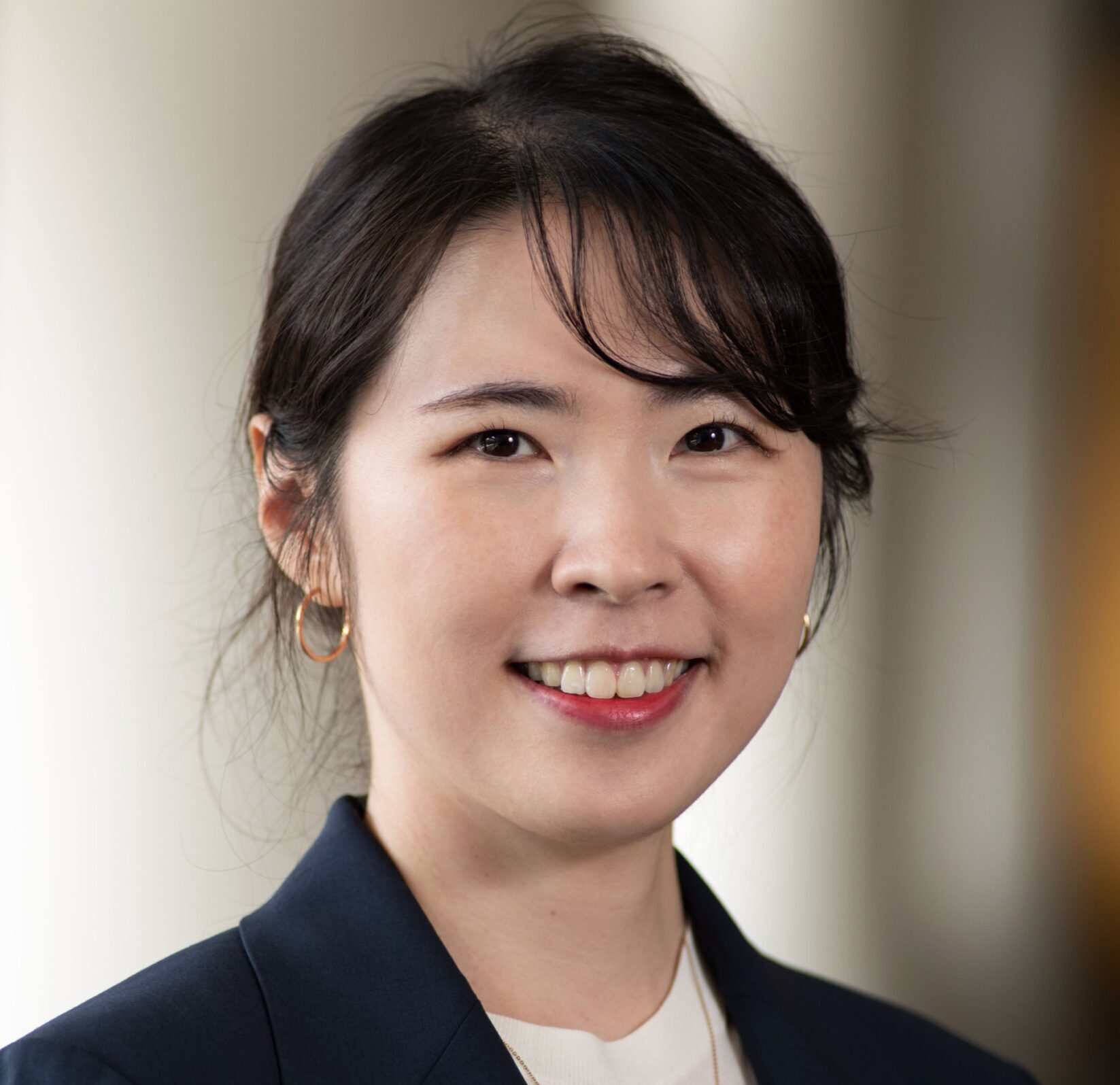
In an era where technology and policy are increasingly intertwined, Huijeong Yeon—a distinguished Fulbright scholar with eight years of experience in the South Korean government—is utilizing her time at the University of Texas at Austin to bridge the gap between innovation and responsibility. Moving from the snowy landscapes of Minnesota to the vibrant tech hub of Austin, she has spent the past year researching the interdisciplinary nuances of AI governance. In the following interview, Huijeong shares her insights on the “Good Systems” mission at UT, the cultural diversity of the United States, and the evolving technological landscape of South Korea.
Questions and Answers
1. You spent your fall semester in Minnesota before heading to Texas. What has surprised you most about living in the U.S. so far, and in what ways has the experience been “eye-opening” compared to your expectations?
“Actually, for me, the most impressive thing is the diversity. So I’ve experienced level of cultural diversity which I hadn’t seen in Korea. Moving from Minnesota to Texas was very interesting, seeing how each state has its own culture, nature, and systems.”
2. Out of all the institutions in the country, why was UT Austin the right fit for your research and goals?
“I love the mission and the interdisciplinary model of Good Systems, because it brings together engineering, computer scienes, and humanitites that match my goal on AI governance. I want to have a balanced approach with innovation and responsibility. My background is in sociology, and I have over eight years of experience in governmenet, but I wanted to know more about other fields like engineering, information systems, and other diverse media. Plus, Austin is a huge tech hub, so I think it’s the best city to see how industry and policy work together.”
3. As a Fulbright scholar, what are your primary objectives during your time here in Austin, and what do you hope to have accomplished by the end of your stay?
“My main goal is to broaden my persepective. I want to meet many experts from different backgrounds, which is hard to do while working in South Korea. As a Fulbright Fellow, I want to help connect the United States and South Korea in the future. I hope to use my experiences from Minnesota and Texas to build bridges in those two countries.”
4. From your perspective, how does South Korea’s AI development and infrastructure currently compare to what you’re seeing here in the United States?
“South Korea has world-class ICT infrastructure and very high digital literacy. While the U.S. lives in AI technology and models, Korea is great at applying new technology to daily life. In Korea, people are good at adapting new technology to make their lives more convenient.”
5. What are the specific areas of AI that the South Korean government is most invested in right now? (e.g., ethics, semiconductor dominance, or public integration?)
“Basically, South Korea is focusing on three things: securing technology, training experts, and building infrastructure, like computing power. In order to do that, we recently established the AI Basic Act and the Presidential Council on AI strategy. We are very interested in safe and trustworthy AI. However, I think it is in the early stages, so there are still many difficult discussions to have.”
6. South Korea is often a ‘first-mover’ in integrating technology into daily life (like high-speed internet and robotics). Are there AI-driven or other technological conveniences in Korea that you find yourself missing while living in the U.S.?
“Sometimes I miss the fast public service in Korea. You don’t usually have to go the government office in person. On your smartphone, you can apply/access documents and get them instantly. “
7. How does being in a tech hub like Austin specifically help you understand the global AI landscape better?
“It will be amazing to see how the global companies and statups live together here. I expect to see how tech innocation can affect the local economy and legal debates, and I also hope to hear real voices from the field. I think that can give me a much deeper understanding than just reading books.”
8. Beyond the research, what is the one ‘Texas experience’ you’re determined to have before your Fulbright term ends?
“I just want to travel more around Austin and other cities in Texas, like Houston, Dallas, and San Antonio. I want to experience food, music, and history. Also, I’m staying in Muller, where there is a Sunday farmer’s market and very delicious brisket and food trucks!”
As Huijeong continues her journey at the University of Texas at Austin, her work serves as a vital link between technological innovation and social responsibility. By blending her extensive background in South Korean governance with the interdisciplinary resources of Good Systems, she is not only expanding her own expertise but also fostering a deeper institutional connection between two global tech leaders. Whether she is analyzing AI policy or exploring the historic streets of San Antonio, Huijeong’s time as a Fulbright Scholar exemplifies the power of cross-cultural exchange in solving the complex challenges of the digital age.
Takeaways:
-
Interdisciplinary Synergy: Huijeong emphasizes that the future of AI governance requires a “balanced approach,” merging engineering and computer science with sociology and the humanities.
-
Global Collaboration: A central theme of her residency is the importance of building bridges between the U.S. and South Korea to share best practices in policy and innovation.
-
Implementation vs. Innovation: While the U.S. excels in developing core AI models, South Korea serves as a global leader in rapid public integration/adaptation and infrastructure, offering a model for high-speed digital convenience.
-
The Power of Place: Choosing a “tech hub” like Austin provides a unique, hands-on environment to observe the real-world friction and synergy between industry startups and legal debates.
-
Cultural Adaptability: Her experience highlights that understanding a nation’s “system” is just as important as understanding its technology, noting the vast cultural and administrative differences even within the United States.
For more insight into TIPI’s work on ethical AI governance, read more at our projects and latest updates.